
Working Group meeting: Competitiveness, Finance, and Taxes (CFT)
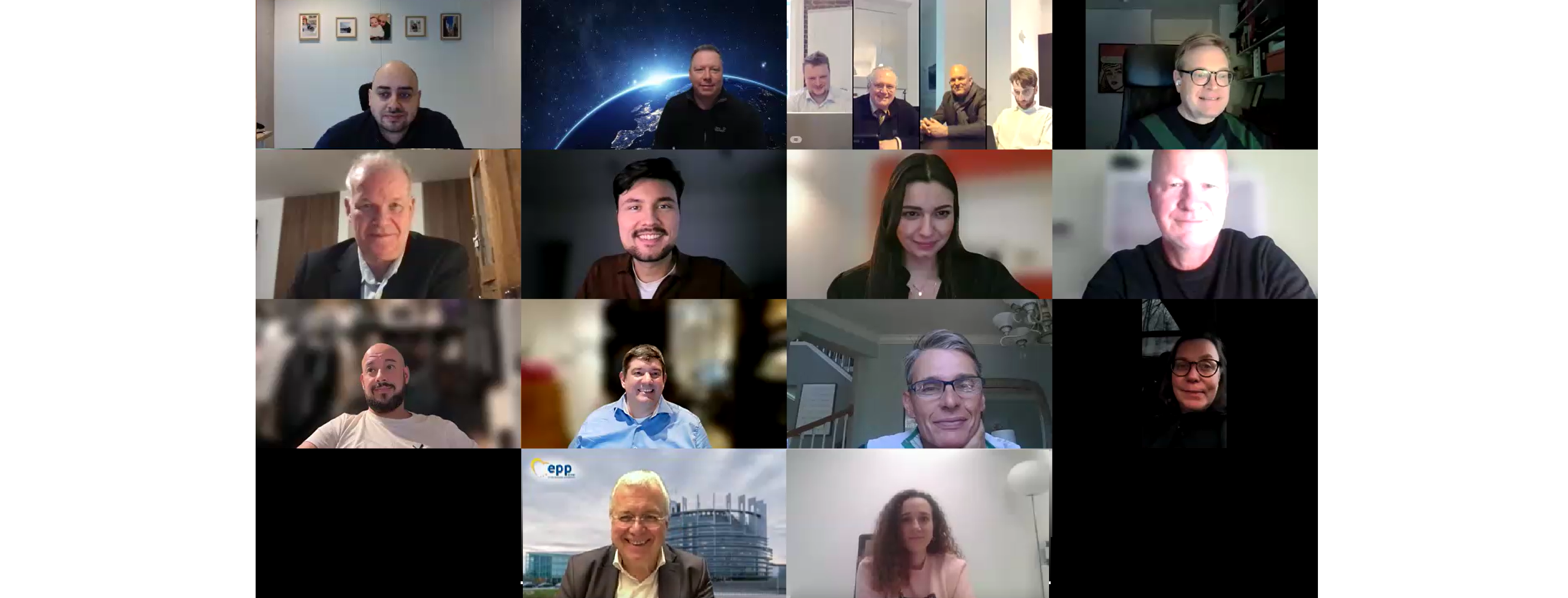
On 24 February 2026, the SME Connect Working Group on Competitiveness, Finance, and Taxes (CFT) convened under the chairmanship of Mr. Markus Ferber MEP, Chair of the CFT Working Group.
Role of Small and Local Banks in SME Financing
In his introductory remarks, Mr. Ferber stressed that Europe remains a predominantly bank-based economy, with SMEs relying mainly on bank loans and credit lines rather than capital markets. He highlighted the distinct role of small and locally rooted banks due to their close knowledge of regional economies and long-standing client relationships. This proximity allows for more accurate risk assessment and faster, more flexible lending decisions. Preserving a diverse banking ecosystem was considered essential for reliable SME access to finance.
Proportionality and Complexity of EU Banking Regulation
Participants highlighted the growing complexity of EU banking regulation and its disproportionate impact on smaller banks. While post-crisis reforms strengthened stability, reporting and compliance requirements were seen as generating high fixed costs. The one-size-fits-all application of Basel standards was criticized, and greater proportionality was called for.
Competitiveness and Regulatory Simplification
A shift at EU level toward competitiveness and regulatory simplification was noted. Current initiatives, including competitiveness consultations and legislative “omnibus” packages, were viewed as opportunities to reduce administrative burdens. Simplification was framed as a competitiveness measure rather than deregulation.
Capital Markets and the “28th Regime”
The limits of bank financing for research-intensive and high-risk sectors were discussed, particularly compared to the US. While capital markets and risk capital are important for innovative SMEs, access remains fragmented across the EU. Expectations for the “28th regime” and the Savings and Investment Union were cautious, with progress expected to be incremental.
ESG, Taxonomy, and Access to Finance
ESG requirements and the EU taxonomy were discussed as influencing SME financing. While not seen as a direct barrier, inconsistencies in taxonomy classifications were criticized, particularly where suppliers to green industries are not classified as green. A pragmatic, risk-based approach was advocated.
Taxation, Costs, and Investment Capacity
Participants raised concerns about cumulative financial burdens on companies, including instruments that function economically like taxes. Measures such as emissions trading systems were seen as reducing capital available for investment and increasing bureaucracy. The need to reassess cumulative regulatory and fiscal burdens was emphasized.