
Regions, Cities, Municipalities and the Local Economy at the Heart of Europe’s Housing Debate
Housing Policy Must Empower Regions and Municipalities
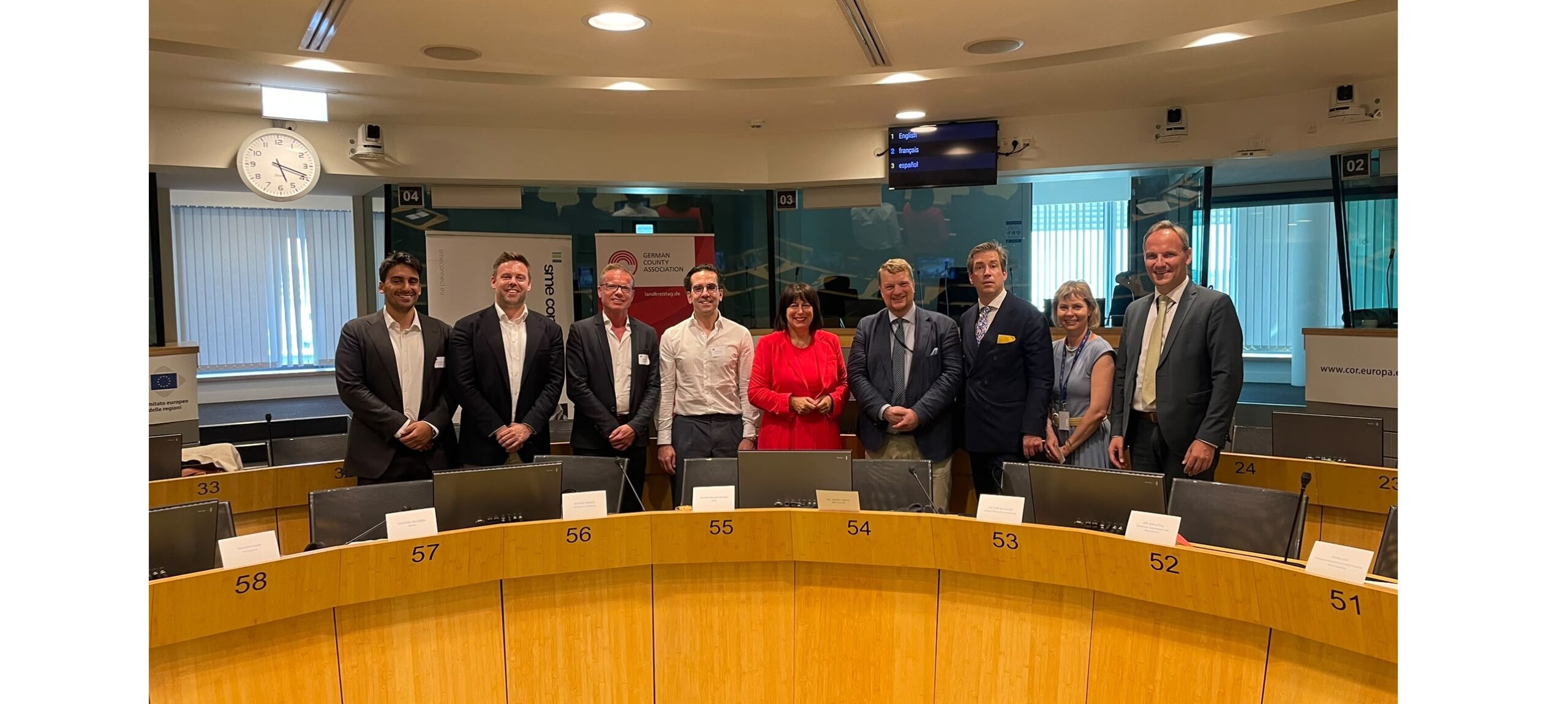
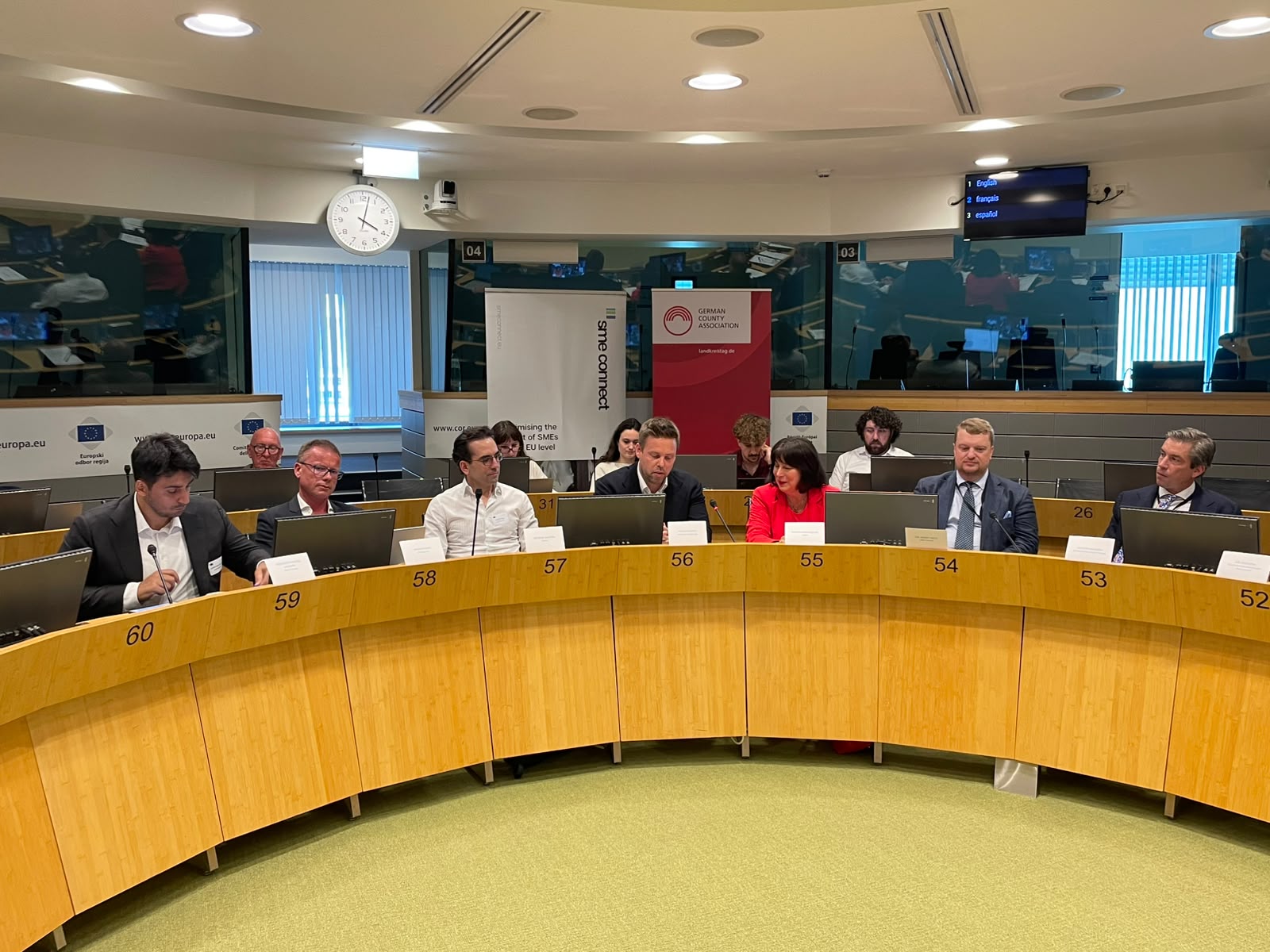
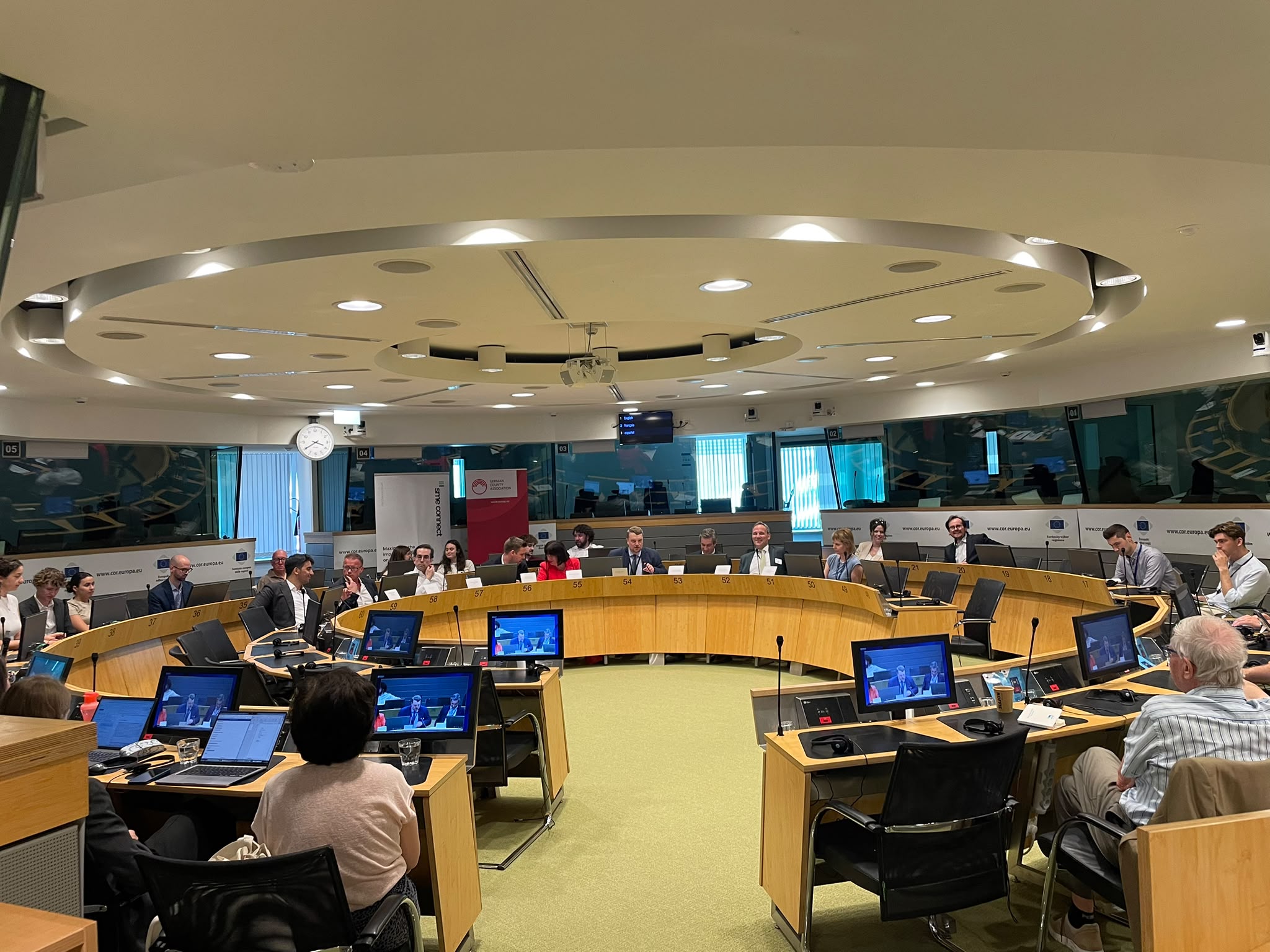
On 14 July 2026, SME Connect and the German County Association hosted the workshop “Regions, Cities, Municipalities and the Local Economy at the Heart of Europe’s Housing Debate” at the European Committee of the Regions.
The debate took place shortly after the EU Short-Term Rental Regulation became applicable on 20 May 2026 and ahead of the forthcoming Affordable Housing Act. The Regulation primarily establishes a European framework for registration, transparency and data sharing, while the Affordable Housing Act is intended to provide Member States, regions and local authorities with tools that can be applied according to local housing pressures and in respect of subsidiarity.
Moderated by DR. HORST HEITZ, Chair of the Steering Committee of SME Connect, the workshop opened with contributions from MARION WALSMANN MEP and MICHAEL SCHMITZ, Deputy Head of the Brussels Office of the German County Association.
The roundtable included KINGA JOÓ, Vice-President and Board Member of the European Network of Family-Friendly Municipalities and Member of the European Economic and Social Committee; GRÉGORY HUON, President of STR Belgium; GEORGE MAVROS, Head of EU Government Affairs at Airbnb; JIŘÍ ZAPLETAL, Representative of the Executive Board to the EU and Director of European Affairs at the German Savings Banks Association; FEDERICO NAHUEL LAZZARI, Secretary-General of Build Europe; and VICTOR VAUGOIN, Head of the Lower Austria Office in Brussels.
Together, the speakers brought perspectives from families, regions and municipalities, construction and property development, regional banking, SMEs, short-term accommodation and the platform economy.
Local solutions to a European supply challenge
Three central conclusions emerged from the discussion, with MICHAEL SCHMITZ highlighting the importance of place-based solutions. Housing requires solutions adapted to local and regional conditions. Europe’s housing crisis is fundamentally a supply challenge. Increasing housing supply requires stronger local and regional investment and financing capacity.
Europe does not have one uniform housing market. Metropolitan areas facing rapidly rising rents and severe shortages of affordable housing operate under fundamentally different conditions from rural districts, tourism-dependent communities or regions affected by demographic decline, vacant buildings and insufficient investment.
The challenge is therefore not simply to build more housing everywhere. Additional supply is urgently required in areas under pressure, while other regions need to renovate, convert and reactivate existing buildings.
The scale of the overall challenge remains substantial. The European Commission estimates that Europe needs more than two million new homes annually, around 650,000 more than are currently being built. Closing this gap would require approximately EUR 150 billion in additional investment each year.
These figures reinforce the central message of the workshop: affordable housing cannot be delivered through regulation alone. It requires supply, investment, financing, land, infrastructure and economically viable construction.
Subsidiarity, infrastructure and the Right to Stay
Housing is a legitimate European concern, as MARION WALSMANN MEP underlined, but the diversity of housing markets makes it unsuitable for uniform central steering.
The EU can add value by mobilising investment, improving access to finance, providing reliable data and technical assistance, supporting innovation and simplifying rules that unnecessarily obstruct construction or renovation. European action should empower regions and municipalities rather than replace their responsibilities.
The guiding principle was clear: Europe should enable, Member States and regions should shape, and municipalities should implement. This approach is consistent with the original political framework of the workshop and the opening contribution.
The discussion also showed that housing policy cannot be separated from infrastructure and territorial connectivity. While major cities urgently need additional housing, other regions must activate vacant buildings, attract investment and improve their demographic and economic prospects.
Better connections between metropolitan areas and surrounding rural regions can help reduce pressure on urban housing markets while creating opportunities for smaller towns and rural districts. Examples were presented of German municipalities developing mobility solutions for residents who work in nearby cities but prefer the affordability, space and quality of life available in rural communities.
Public transport, road connections, digital infrastructure and access to healthcare, education and public services determine whether this is a realistic option. Rural regions are not peripheral to the economy; speakers noted that they account for almost half of Germany’s economic output.
This territorial perspective connects housing directly with the European Right to Stay agenda, which was also highlighted by KINGA JOÓ from the perspective of families and communities.
The Right to Stay is intended to give people a realistic opportunity to remain and build their future in the communities they call home, rather than forcing them to relocate because of insufficient opportunities or essential services.
Affordable housing is one essential condition, but it is not sufficient on its own. Housing must be connected with employment, mobility, education, healthcare, digital infrastructure and functioning local services.
When families, young people, skilled workers, care workers, craftspeople and entrepreneurs cannot find suitable housing or adequate infrastructure, regions lose population, economic capacity and social cohesion. Housing policy is therefore also economic, investment and regional-development policy.
Cohesion instruments can contribute by supporting affordable and social housing, renovation, local infrastructure and the development of structurally weaker regions. Where compatible with cohesion-policy objectives, they can also reinforce national and regional programmes that help families access, renovate or maintain suitable homes.
A workable regulatory and financial framework
Participants, including FEDERICO NAHUEL LAZZARI, underlined that markets can only provide additional housing if projects remain economically viable. This requires realistic construction costs, predictable approval procedures and sufficient public and private investment.
Regulation remains necessary where it addresses demonstrable problems or protects legitimate environmental, safety, quality and social objectives. Bureaucracy should, however, be reduced where requirements duplicate existing procedures, delay construction or impose costs without corresponding public benefit.
European, national, regional and municipal rules must be considered as a connected system. Energy-efficiency requirements, construction-product standards, banking regulation, national building legislation, regional planning and municipal approval procedures jointly determine whether a project can proceed.
A requirement may appear reasonable in isolation but become disproportionate when combined with obligations imposed at other levels. The cumulative regulatory impact should therefore be assessed throughout the full legislative and implementation chain.
Faster procedures do not require lower environmental, safety or quality standards. They require clearer deadlines, greater digitalisation, fewer repeated assessments and better recognition of technical certifications and standardised building components.
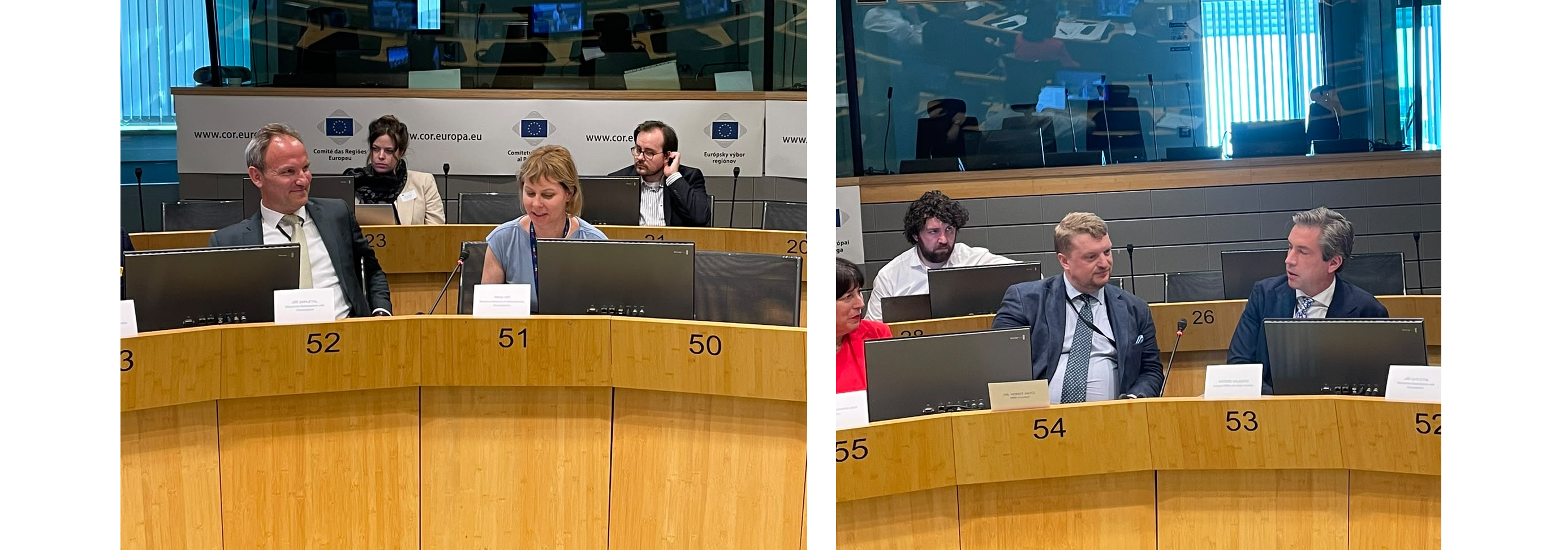
JIŘÍ ZAPLETAL emphasised that housing finance is equally fundamental. Regional banks and savings banks possess detailed knowledge of local property markets and maintain long-term relationships with households, municipalities, craftspeople, SMEs and construction companies.
Their capacity to assess local projects is particularly important in rural and structurally weaker regions, where financing needs may not fit the standardised models of large international institutions and alternative sources of capital may be limited.
Strengthening regional banking structures is therefore an essential part of housing policy. European financial regulation must preserve stability, but it should remain proportionate to the size, risk profile and business model of the institutions concerned.
Rules designed primarily for large international banks should not unnecessarily restrict smaller, locally rooted and comparatively low-risk institutions. Weakening regional banks would also weaken the ability of families, municipalities and local businesses to invest in housing, renovation and regional development.
Innovation must reach the market
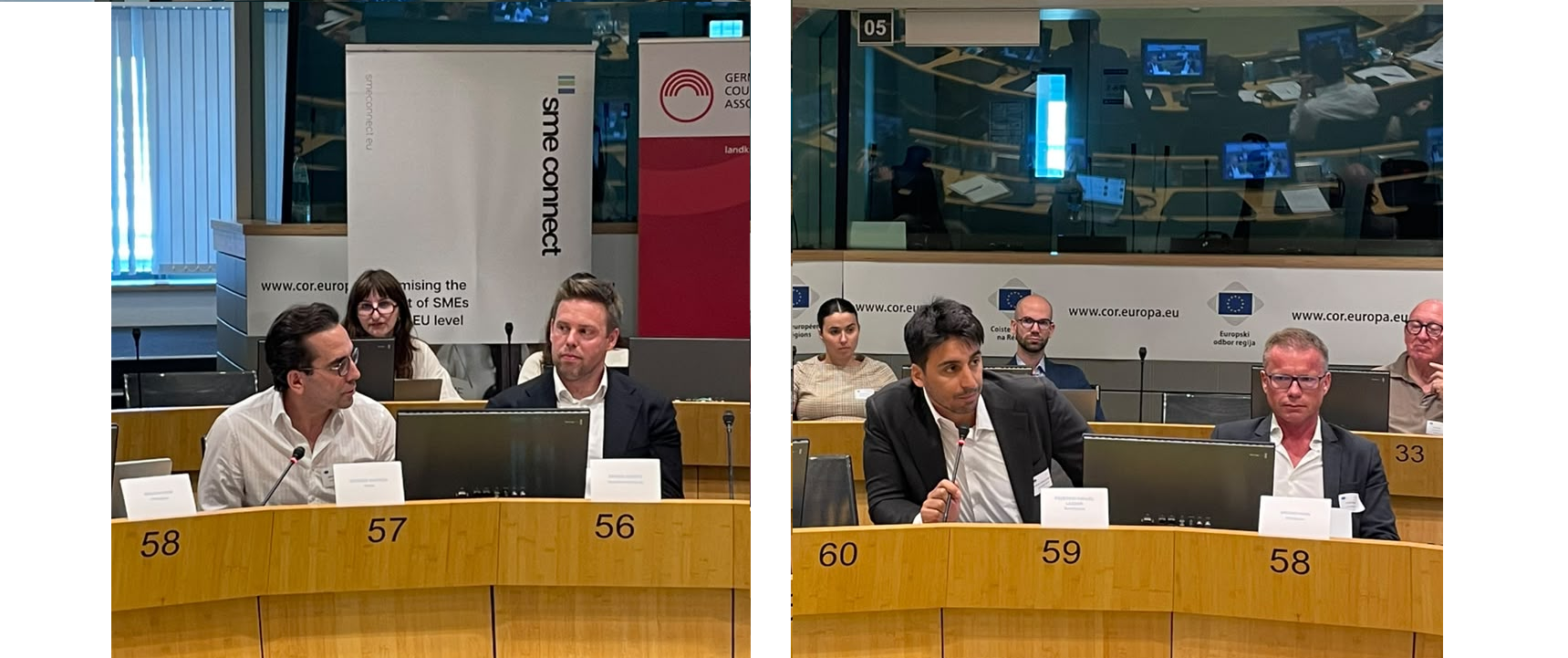
FEDERICO NAHUEL LAZZARI also highlighted that higher productivity and greater innovation are required to expand supply while containing construction costs.
Around 75 per cent of European construction companies currently implement no form of innovation. Modern approaches such as modular and serial construction, off-site manufacturing, digital twins, artificial intelligence, 3D printing and timber-based systems can shorten construction times, improve quality and increase cost predictability.
Potential cost reductions of up to approximately 25% were cited during the workshop. These gains can only be realised if new construction methods can enter the market.
Fragmented technical approval procedures and local construction rules can prevent innovative systems from being used even where they comply with appropriate safety and performance requirements. European coordination can add value through common technical standards and mutual recognition.
This does not require the centralisation of planning or building law. Local authorities must retain the power to decide which construction is appropriate in a particular place. The European role should be to remove unjustified technical barriers and repeated certification that make safe innovation unnecessarily expensive.
Short-term rentals as a test of subsidiarity
GRÉGORY HUON and GEORGE MAVROS discussed how short-term rentals illustrate how easily European housing policy can become detached from different local realities.
Member States, regions and municipalities already possess extensive instruments to address local problems through planning law, registration, licensing, taxation and restrictions on use. The EU Short-Term Rental Regulation strengthens their ability to act by improving data availability and cooperation with platforms, while expressly preserving necessary and proportionate national market-access requirements.
GRÉGORY HUON, President of Short Term Rental Belgium (STR-Belgium), argued that Europe’s housing crisis is fundamentally driven by insufficient housing supply rather than short-term rentals. Therefore, any regulation measure on short-term rentals proposed under the Affordable Housing Act initiative should systematically be counterbalanced by a mandatory proportionality test, including an economic assessment of the measure, in order not to dramatically affect small local businesses while not solving the root cause of the housing crisis. GEORGE MAVROS emphasised the role of European coordination, transparency and local flexibility.
Further uniform restrictions at EU level would risk duplicating existing powers and directing political attention towards symbolic intervention rather than the structural causes of the housing shortage: insufficient supply, high costs, weak investment capacity and lengthy procedures.
Where reliable evidence demonstrates a material impact on housing supply in a pressured urban market, proportionate local restrictions may be justified. In rural and tourism-dependent regions, however, short-term accommodation can support family incomes, finance renovation, activate vacant properties and sustain local services and small businesses.
It can also fulfil legitimate social needs. Larger families and groups may require accommodation that is unavailable or disproportionately expensive in conventional hotels.
Disproportionate restrictions could therefore create economic and social harm without meaningfully increasing the long-term housing supply. The appropriate European role is to provide transparency and enforcement cooperation, while substantive decisions remain with the authorities able to assess the actual local situation.
European added value must be measured by results
Towards the end of the workshop, VICTOR VAUGOIN again strongly emphasised the principle of subsidiarity. Well-intended European initiatives are welcome where they provide practical support and strengthen the ability of regions and municipalities to act. They must not lead to overregulation or a gradual transfer of competences away from regional and local authorities.
The value of European action should be measured by whether it enables housing to be built, renovated and financed and whether it strengthens local capacity—not by the number of new rules or initiatives adopted.
The roadmap emerging from the debate is therefore coherent. Europe should mobilise investment, protect and strengthen regional financing structures, facilitate innovation, improve access to cohesion instruments and reduce unnecessary regulatory complexity. Member States, regions and municipalities must retain the responsibility and flexibility to apply these instruments according to their own housing markets.
Effective housing policy must combine subsidiarity, economic realism and social responsibility. By empowering those responsible on the ground, European action can contribute to more affordable housing, stronger local economies, better-connected regions and a credible Right to Stay.