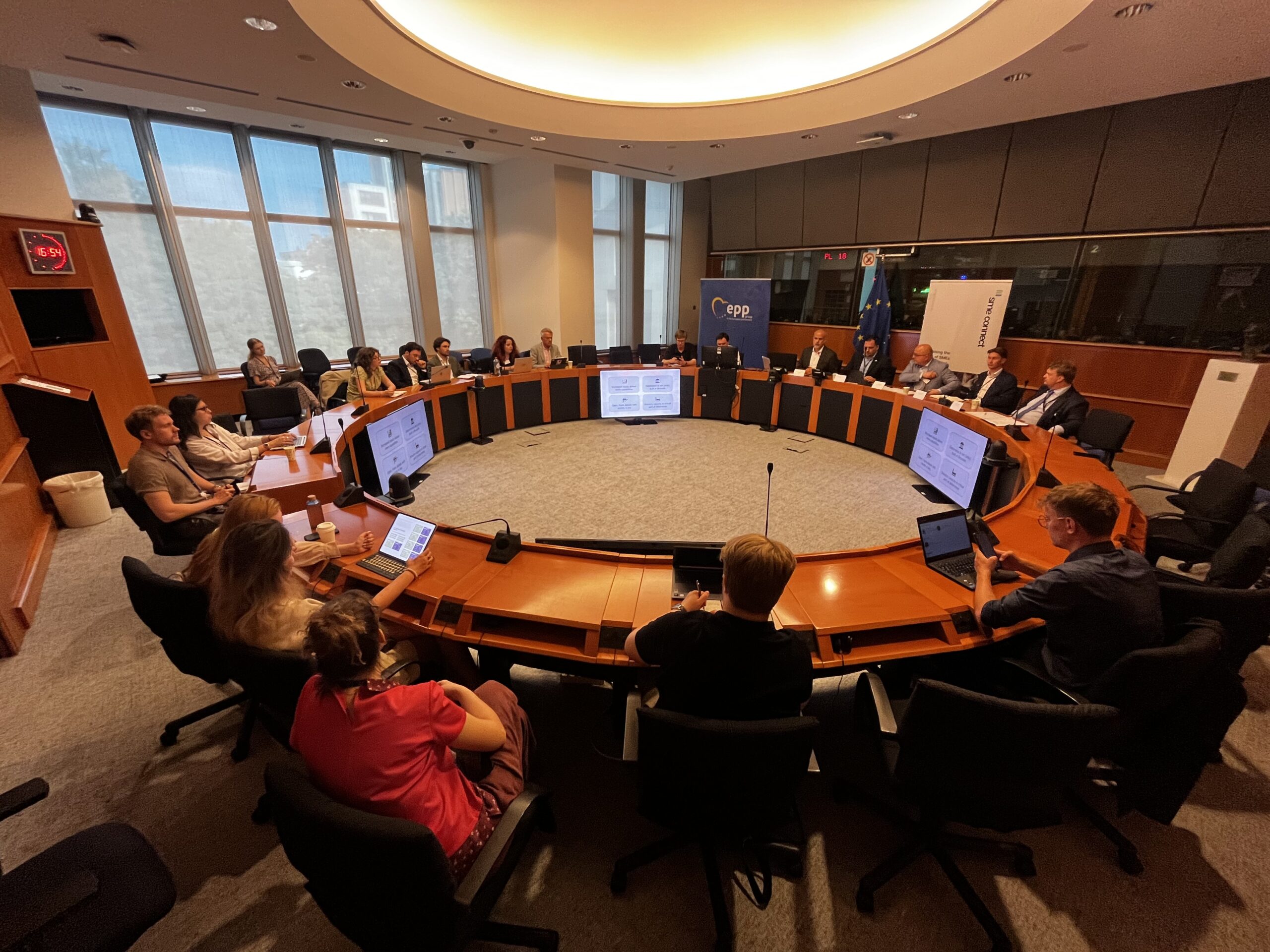
GLOBSEC report presentation: Annual Battle Readiness on the Eastern Flank 2026
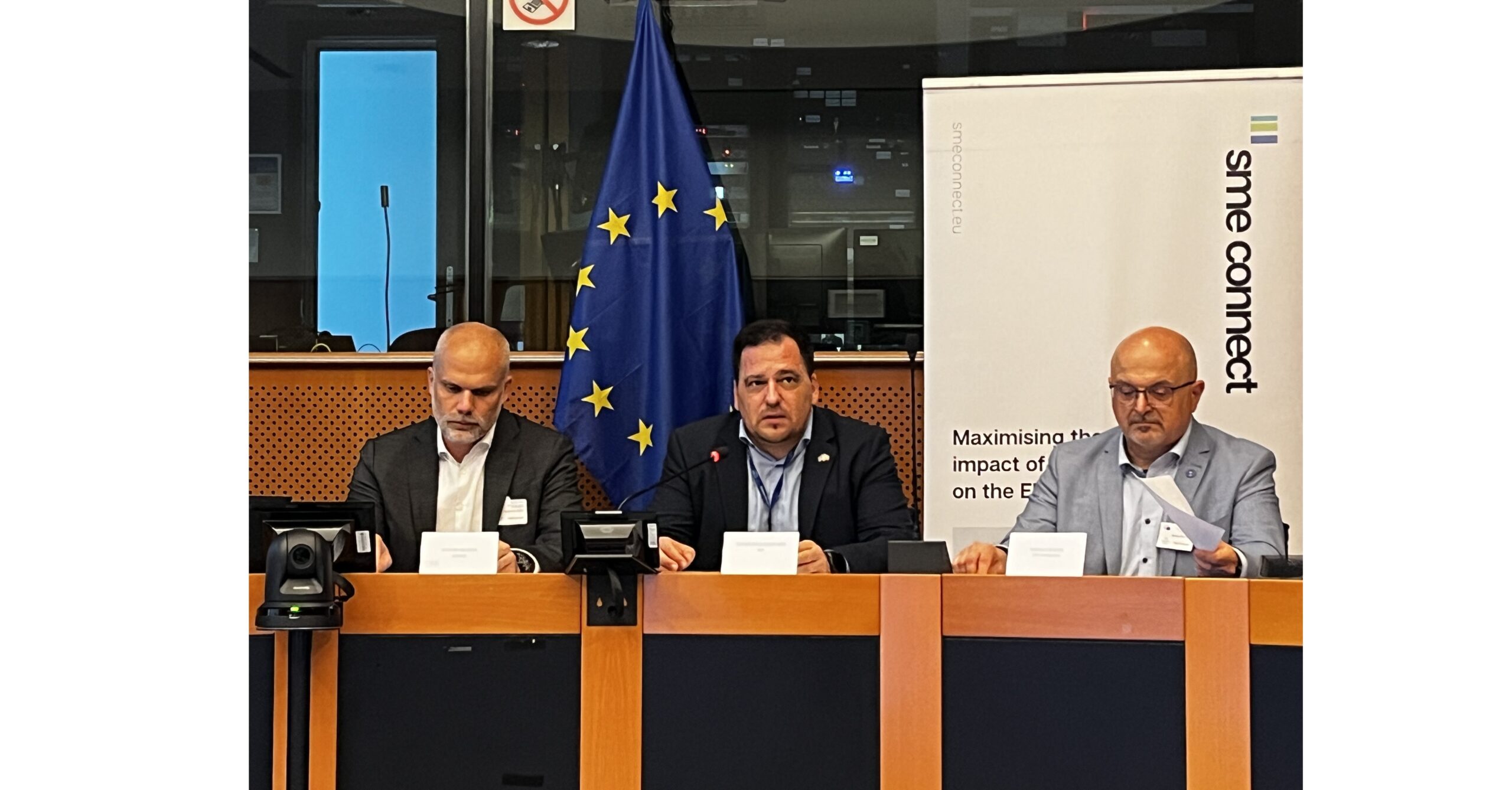
On 22 June 2026, SME Connect and GLOBSEC organized an Exchange of Views to discuss the findings of GLOBSEC’s Annual Battle Readiness on the Eastern Flank 2026 and Stress-Testing Europe’s Defence Industrial Scale-Up 2026. Hosted by Tomáš Zdechovský MEP, the event brought together policymakers, defence experts, industry representatives, and SMEs to assess NATO’s eastern flank, military readiness, deterrence, and Europe’s defence-industrial capacity. The exchange focused on how Europe can strengthen its defence posture, accelerate industrial scale-up, and ensure that investments translate into operational capabilities.
Tomáš Zdechovský MEP, Co-Chair of the Defence & Security Working Group at SME Connect, opened the discussion and stressed that Europe’s security begins on NATO’s eastern flank, where the consequences of Russia’s aggression against Ukraine are felt most directly. He argued that military readiness depends not only on higher defence spending but also on smart investments, emphasizing that “readiness is not only about spending more, but it’s how to spend smart.” He highlighted the growing importance of drones, artificial intelligence, and lessons learned from Ukraine for future defence planning. He also underlined the need to simplify procurement procedures and strengthen the European defence market to improve efficiency and responsiveness. According to Zdechovský, Europe must build capabilities now rather than wait for a future crisis. He concluded by calling for closer cooperation between governments, industry, and EU institutions to strengthen collective security.
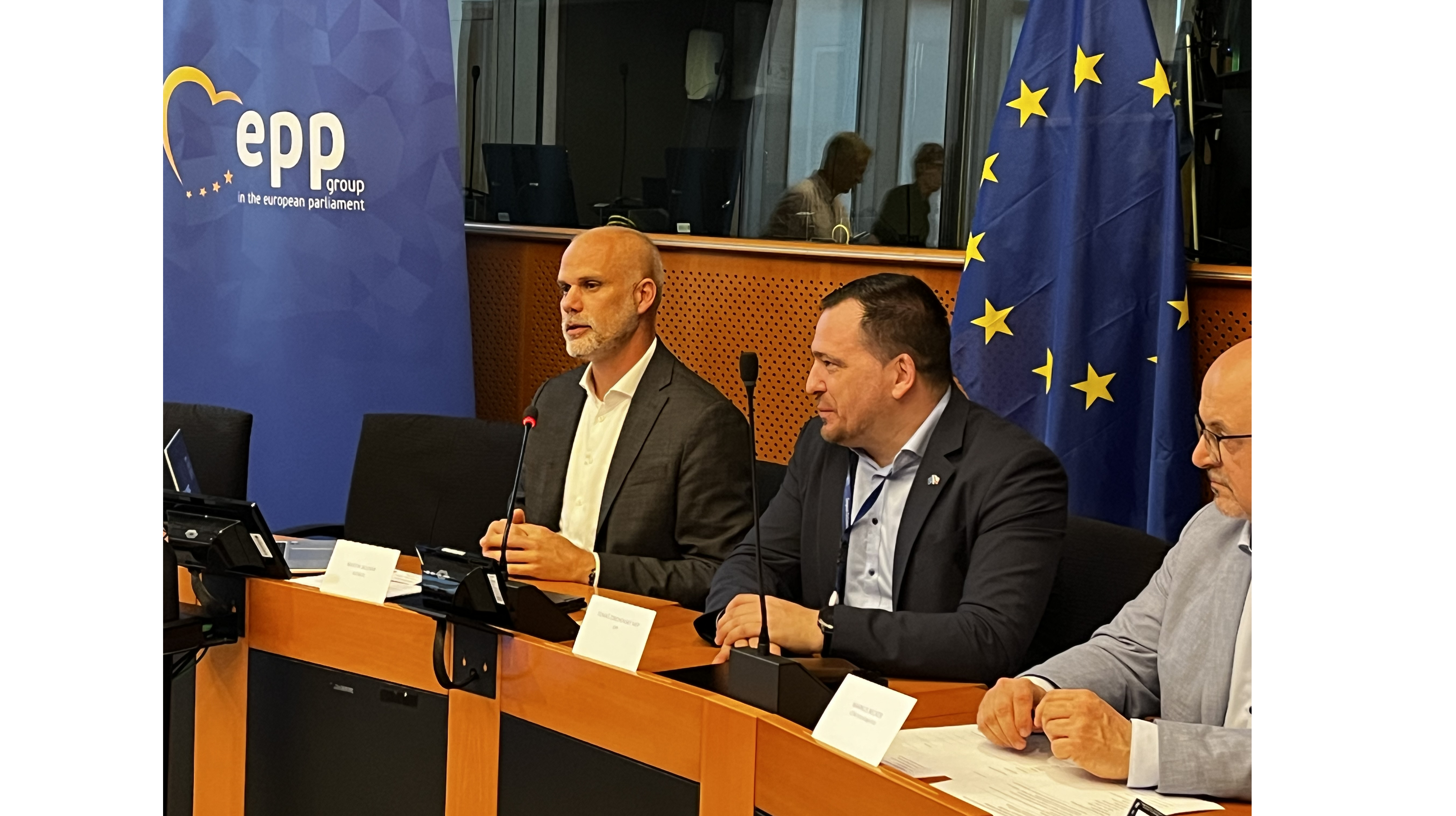
Martin Sklenár, Distinguished Fellow of GLOBSEC’s Future of Security Programme and former Minister of Defence of the Slovak Republic, presented the main findings of GLOBSEC’s report, explaining that it evaluates whether increased defence investments are translating into real military capabilities and readiness. While acknowledging positive trends in defence spending and modernization, he argued that deterrence is built through concrete actions rather than political declarations, noting that “European defence starts in capitals and is built in capitals.” He highlighted that countries along NATO’s eastern flank have increased military strength and modernized their armed forces, yet significant capability gaps remain in comparison with Russia and Belarus. Sklenár emphasized that collective defence remains indispensable and that public support and political consensus are critical for sustaining defence commitments and making difficult security decisions. He also warned that political polarization and weak decision-making structures can undermine readiness. Finally, he stressed that industrial resilience is now a core element of deterrence because military operations cannot be sustained without a strong and responsive defence industrial base.
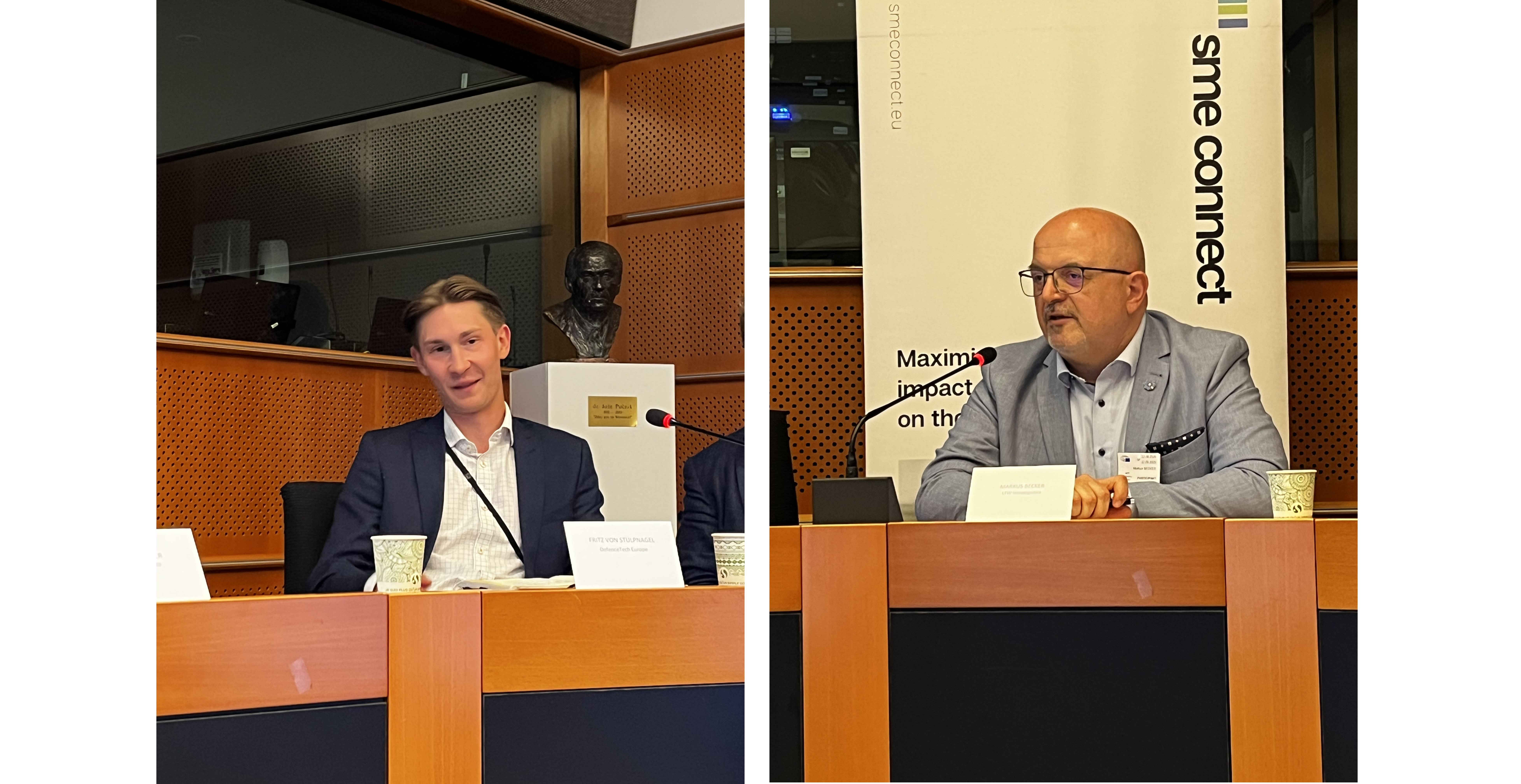
Markus Becker, Co-Chair of the Defence & Security Working Group at SME Connect and Head of Business Development at LTW Intralogistics, focused on the industrial dimension of European defence readiness and the findings of GLOBSEC’s report. He emphasized that Europe possesses substantial financial resources but continues to face significant industrial bottlenecks, including shortages of skilled labour, supply chain constraints, lengthy certification processes, and a lack of planning security. Becker highlighted that average delivery times in the defence sector now exceed five years, while SMEs carry much of the industrial risk despite receiving limited advance financing. Stressing that deterrence depends not only on military equipment but also on the ability to sustain production and supply over time, he argued that resilience, mobility, logistics, and industrial scalability have become essential components of defence preparedness. He presented the concept of Rapid Deployment Dual-Use Hubs, a network of modular logistics centres that could serve civilian supply chains in peacetime and support military operations during crises through storage, maintenance, spare-parts management, and ammunition distribution.
Fritz von Stülpnagel, Managing Director of DefenceTech Europe, emphasized the need for deeper European defence integration and a stronger military presence on NATO’s eastern flank. He argued that credible deterrence depends on demonstrating both the willingness and the ability to defend allied territory. Highlighting the example of the German brigade in Lithuania, he stated that he would like to see “more further Western European states” commit to permanently deploying forces on the eastern flank. He stressed that defence of the eastern flank should be regarded as a shared European responsibility rather than solely a regional concern. Greater military integration, he argued, would strengthen NATO’s deterrence posture and reduce the risk of miscalculation by potential adversaries. He concluded that long-term commitments and sustained cooperation are essential for ensuring European security.
Horst Heitz, Chair of the Steering Committee of SME Connect, encouraged participants to focus on practical measures for improving Europe’s defence readiness. Throughout the exchange, he highlighted the challenge of balancing standardization with flexibility in a rapidly evolving technological environment. He raised important questions regarding procurement timelines, military requirements, and the ability of industry to respond to emerging threats. He also emphasized the need to adapt defence planning and administrative procedures to the realities of modern warfare.
The discussion demonstrated broad agreement that Europe has made significant progress in strengthening military capabilities and increasing defence investments, particularly on NATO’s eastern flank. At the same time, speakers stressed that funding alone is insufficient unless it results in deployable capabilities, industrial resilience, and faster decision-making processes. Participants highlighted the importance of public support, political consensus, technological innovation, and stronger cooperation between governments and industry. Lessons learned from Ukraine were repeatedly cited as essential for shaping future procurement, capability development, and defence-industrial policies. A recurring message throughout the exchange was that security investments are no longer optional but necessary responses to the current threat environment.