
Biotech Act, a Key Bridge to Food Innovation
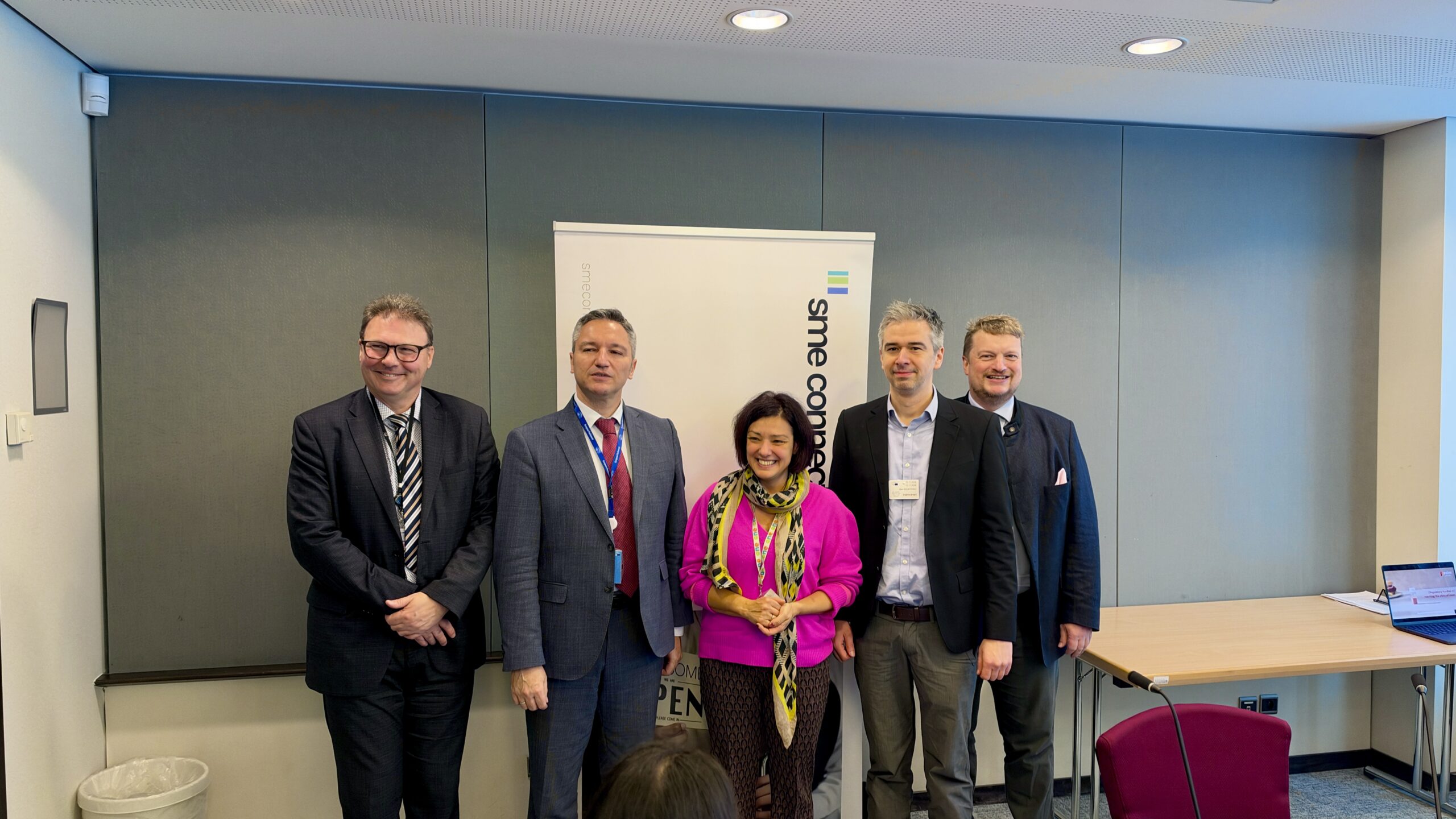
On 12 November 2026, SME Connect organised a roundtable titled “Biotech Act, a Key Bridge to Food Innovation” at the European Parliament in Brussels. Hosted by Kristian Vigenin MEP (SANT & ENVI Committee), the event explored how the EU Biotech Act can support food innovation, strengthen Europe’s industrial competitiveness and create the right conditions for smaller businesses to grow and scale, while preserving the high level of food safety that underpins consumer trust.
KRISTIAN VIGENIN MEP, Chair of the SME Connect AgriNutriCom Working Group, opened the discussion by stressing that biotechnology should not be treated as a single category. Conventional fermentation, precision fermentation, genetically modified crops and cultivated food products involve different processes, risks and regulatory questions. He emphasised that scientific risk assessment, reliable evidence, traceability where appropriate and clear information are essential to consumer trust. The goal should not be to weaken safeguards, but to make regulation clearer, more proportionate and better equipped to keep pace with science. He highlighted the exclusion of novel foods from the proposed regulatory sandboxes as an important issue. He also cautioned that new technologies do not automatically make food more sustainable or affordable, as their impact depends on energy use, raw materials, prices, market structures and consumer acceptance.
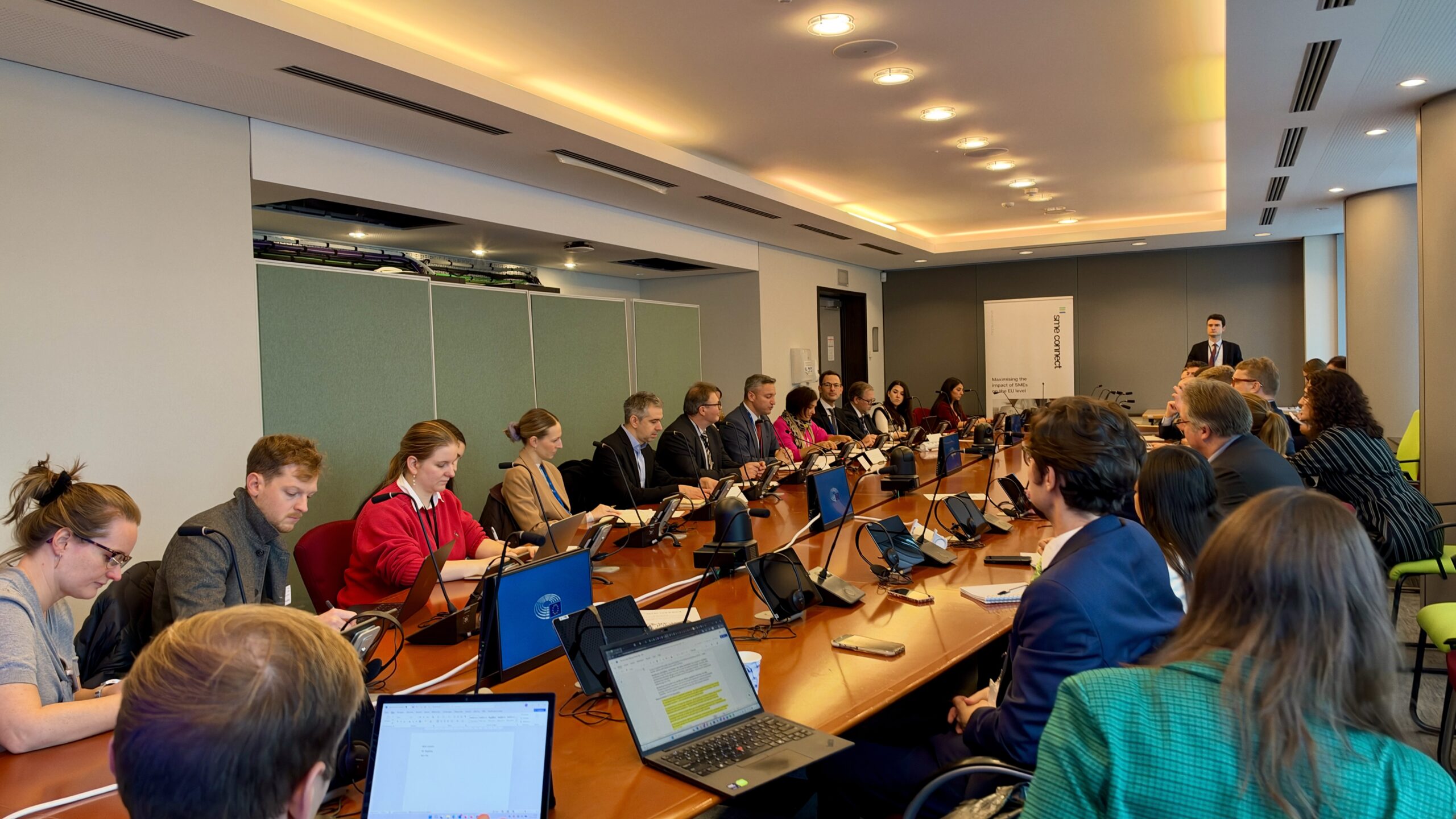
ANASTASIA ALVIZOU, Deputy Head of Unit at DG SANTE, presented the food-related amendments under Biotech Act I, emphasising the importance of maintaining the EU’s high food safety standards while improving the efficiency of authorisation procedures. She explained that delays in authorisations often stem from the quality of applications. To address this, the proposal expands EFSA’s free pre-submission advice to include guidance on study design and testing strategies, helping applicants, particularly SMEs, prepare stronger dossiers. It also shortens the six-month standstill period for studies that have not been properly notified and introduces changes to EFSA’s scientific panels. She also outlined the proposed regulatory sandboxes, which would allow Member States to test innovative technologies and regulatory approaches under controlled conditions. These would not replace existing authorisation procedures and would remain subject to Commission oversight. She summarised the proposed changes through three principles: quality, coherence and agility.
PATRICK COPPENS, Director of Scientific and Regulatory Affairs at Food Supplements Europe, highlighted the importance of efficient and predictable authorisation procedures for the food supplements sector, where approximately 95% of companies are SMEs. He noted that the sector accounts for 70–80% of novel food authorisations and that approval procedures currently take around three years on average. In some cases, additional regulatory questions can extend the process considerably, creating uncertainty for companies seeking to introduce innovative products. While welcoming the proposed expansion of EFSA’s pre-submission advice, he argued that regulatory sandboxes could provide additional opportunities to address scientific and regulatory questions at an earlier stage. He questioned the exclusion of novel foods from the proposed sandboxes, particularly given their potential to support emerging areas such as personalised nutrition. He emphasised that sandboxes could complement existing authorisation procedures without compromising food safety.
BEN SOUFFRIAU, CTO of Paleo, shared the practical challenges faced by food biotechnology start-ups seeking to commercialise innovative products in Europe. Paleo uses precision fermentation to produce myoglobin, a nature-identical meat protein that improves the colour, taste and cooking characteristics of plant-based foods. He recognised the value of the EU’s rigorous food safety assessment system but highlighted the significant time and financial resources required for novel food approvals. According to his experience, comparable approvals have taken at least six years, with total costs reaching approximately €6 million in Europe, compared with less than €1 million in the United States. He explained that lengthy approval timelines create difficulties in attracting investment and securing commercial partnerships, as potential customers are reluctant to commit to products that may not reach the market for several years. He also pointed to challenges related to manufacturing capacity, restrictions on changes to production processes and limitations on consumer testing. Faster and more predictable approvals, he argued, would help innovative SMEs attract investment and scale production within Europe.
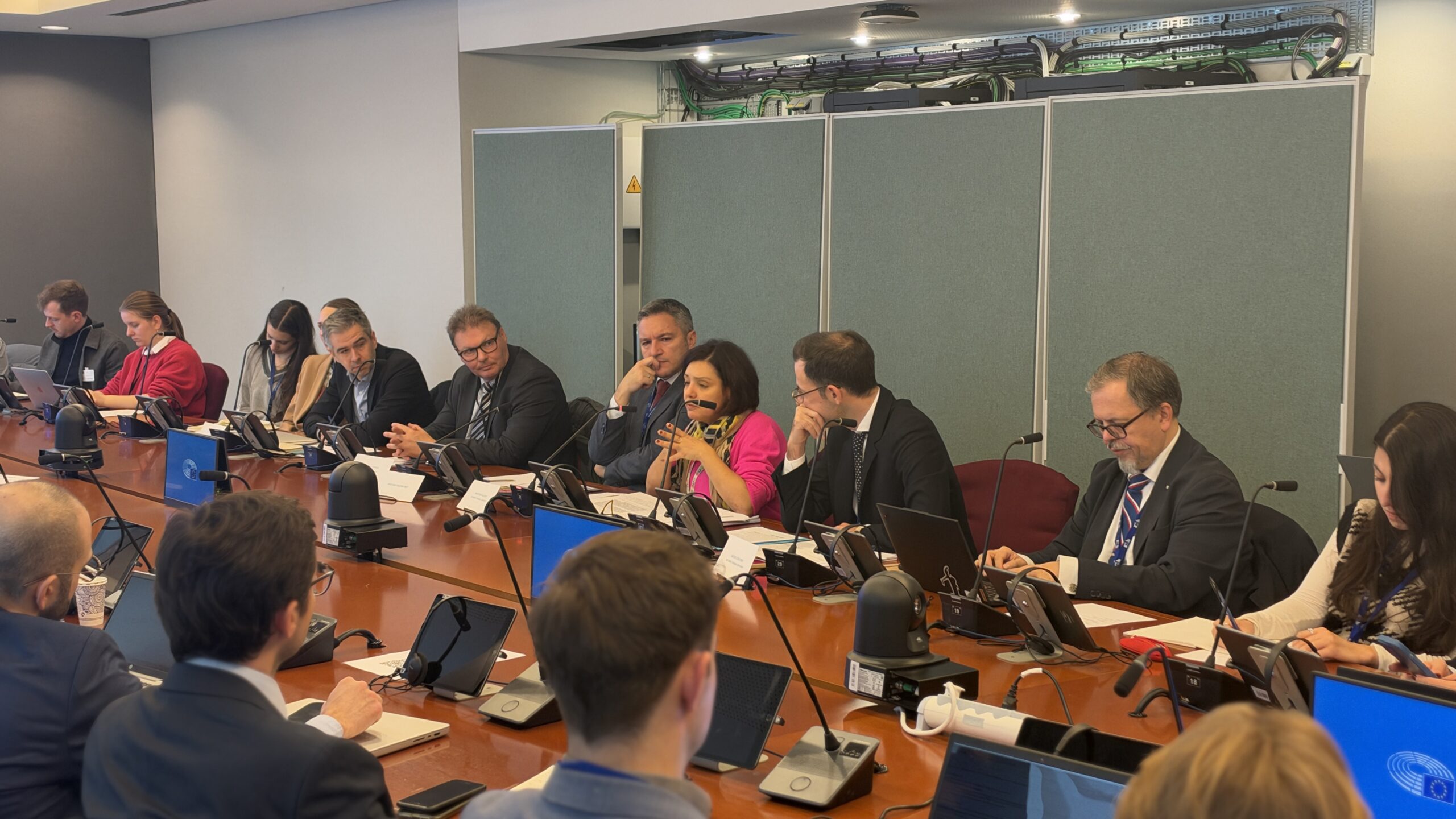
The open discussion focused on how to accelerate novel food authorisations while maintaining the EU’s high food safety standards. Participants exchanged views on the proposed expansion of EFSA’s pre-submission advice and whether regulatory sandboxes could also help address challenges related to emerging food technologies. The debate also highlighted the impact of lengthy approval procedures on investment, commercialisation and Europe’s competitiveness. Participants stressed the importance of predictable timelines, stronger manufacturing capacity and resilient supply chains to help innovative SMEs grow and scale in Europe. Looking ahead, the discussion touched on opportunities under Biotech Act II, including access to finance and further measures to support food biotechnology innovation.
KRISTIAN VIGENIN MEP welcomed the exchange of views and acknowledged the importance of giving greater attention to food biotechnology within the broader EU Biotech Act discussions. He highlighted the opportunities for further work under Biotech Act II and encouraged stakeholders to develop concrete proposals addressing the regulatory and investment challenges raised during the roundtable. He emphasised the value of sharing these recommendations with the relevant rapporteurs and policymakers to help inform future legislative discussions.
HORST HEITZ, Chair of the Steering Committee of SME Connect, closed the discussion by noting that the proposal contains few controversial points and is a promising piece of legislation, even if not everyone is satisfied. The old problem, he said, remains: Europe is well regulated, but too much of the business happens outside it. High standards are a winning point, especially for food, which consumers around the world buy for its European quality, but they lose their value if producers end up elsewhere. Food, he concluded, is about culture, society and a human right, which is what makes getting the balance right so complex.
Looking ahead, Biotech Act I and II offer important opportunities to support food innovation and strengthen European competitiveness. Clearer and more predictable regulatory procedures will be essential for helping SMEs bring innovative products to market. Continued dialogue between policymakers, industry and SMEs can help address remaining challenges and identify practical solutions. Together, these efforts can create a stronger environment for investment, innovation and industrial growth in Europe.