
Europe’s Entrepreneurial Majority:
A Stronger Voice for OPCs and the Self-Employed
Report from the Fourth One-Person Companies and the Self-Employment Summit
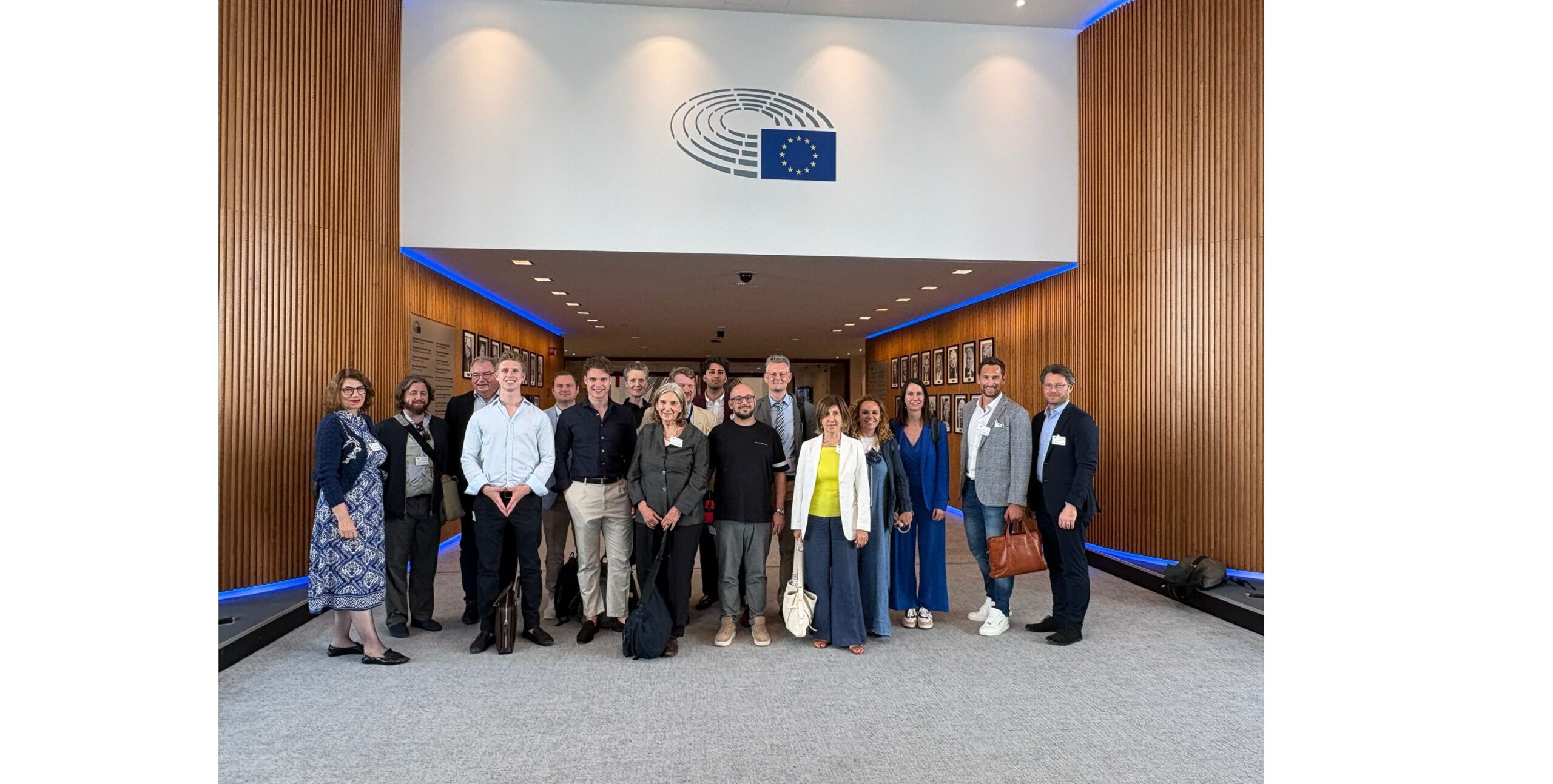
Held in Brussels from 30 June to 1 July 2026
An initiative of the SME Connect Working Group on Entrepreneurship, Self-Employment and One-Person Companies (ESO).
KEY MESSAGE
Europe rightly supports large companies, start-ups and scale-ups. But competitiveness policy must also address its entrepreneurial majority: OPCs and the self-employed. The Summit combined policy information, institutional orientation and direct dialogue to make their realities visible, strengthen informed participation and advance an agenda for recognition, proportionate implementation and practical access.
European economic policy focuses on large companies, strategic industries, start-ups and scale-ups. These priorities matter for competitiveness, innovation and growth. But they do not reflect the full reality of European enterprise. By number of enterprise units, people who conduct economic activity alone form the largest part of Europe’s business population. Yet OPCs and the self-employed are still addressed mainly through fragmented categories such as enterprises without employees, sole proprietorships, freelancers, micro-enterprises or economic operators. What is missing is a coherent European policy perspective for this entrepreneurial majority.
Available EU business-demography data illustrate the scale without erasing the differences between these categories. In 2023, 21.4 million active enterprises had no employees, representing 64.5% of active enterprises, while 20.2 million were registered as sole proprietorships. More than 32 million Europeans are self-employed. These figures are not interchangeable, but they show why a general reference to “SMEs” is insufficient: solo economic activity is large by number, diverse in form and still only partially visible in European policymaking.
Held under the patronage of ANGELIKA WINZIG MEP and MARIA GRAPINI MEP, the Fourth OPC Summit was an initiative of the SME Connect Working Group on Entrepreneurship, Self-Employment and One-Person Companies. The Working Group is co-chaired by JASMIN LEHETA and IMELDA VITAL. The Summit combined practical information, institutional orientation and direct dialogue: members learned about European institutions and current policy debates, while policymakers heard directly about the realities of running a business alone. The objective was to support informed participation in the Single Market and the European policy process.
A Summit Combining Policy Education and Direct Exchange
The two-day programme followed a practical sequence. Developed within the framework of the Working Group and under the guidance of its Co-Chair JASMIN LEHETA, the orientation workshop at the SME Connect office explained how EU legislation develops, when decisions are taken and how associations, members and entrepreneurs can contribute to consultations and political discussions. THOMAS THALER introduced participants to EU policymaking, institutional procedures and available channels for engagement.
The discussion then moved to the European Economic and Social Committee for a workshop hosted by PROF. MILENA ANGELOVA, Member of the EESC and Bulgarian SME Envoy. She linked the reality of OPCs to economic security, internationalisation and future European business structures, describing them as agile “micro-multinationals” able to use digital tools to test markets and build cross-border networks. The debate on EU Inc. and a possible 28th regime remained realistic: faster digital incorporation could help, but would not resolve fragmented taxation, labour law, banking, social-security and administrative requirements.
MARIA SANCHEZ RODRIGUEZ of Seldia addressed the Platform Work Directive and its possible wider effects on how self-employment is understood in Europe. PETER DOHR of the Austrian Chamber of Commerce focused on cross-border barriers, while JAN-FREDERIK KREMER of IVSH examined product regulation, market access and the cumulative burden of compliance. BETSY ANNEN of Google discussed browser-level consent and its implications for digital advertising and customer access. LEENA WHITTAKER of EuroCommerce assessed whether digital identity and business wallets could genuinely reduce duplicated procedures.
A later separate session at the SME Connect office, led by NICOLAS QUELL and JULIANUS KATH of CORPIN, addressed organisational AI maturity and the practical use of artificial intelligence.
At the evening reception at the House of the Austrian Economy, MARIE-THERESE ETTMAYER, Head of the EU Office of the Austrian Federal Economic Chamber (WKÖ) in Brussels, called for rules that are operational for the smallest businesses and a Single Market that supports rather than merely regulates them.
Drawing on his own entrepreneurial experience, NIELS FLEMMING HANSEN MEP delivered the evening’s central political message: some of Europe’s biggest ideas start in its smallest offices. OPCs may be small in structure, but they carry responsibility, take risks and create value. Europe should therefore never underestimate a one-person company.
In the evening’s closing remarks, CHRISTIAN MITTER, Vice President of the Bavarian Self-Employment Association (BDS), stressed the importance of strong representative organisations in bringing the practical concerns of self-employed people into the European policy process.
Evidence and Entrepreneurial Reality in the European Parliament
The Working Breakfast in the European Parliament brought together facts, personal experience and political dialogue.
REINHOLD LOPATKA MEP opened the session by emphasising that small local businesses keep economic life present in towns and regions. He framed better legislation around three requirements: the smallest businesses must become visible within the broad SME category; indirect effects must be understood; and European rules and programmes must be explained, implemented and made accessible in practice.
The statistical presentations showed both the importance of the group and the limits of current evidence. MARIA SANCHEZ RODRIGUEZ of Seldia highlighted the role of the direct selling sector in giving 5.4 millions of Europeans the opportunity to work independently and build their own business and used the example of her family’s hardware store to describe an independent business as a name, a reputation, a risk and a relationship of trust with customers—not merely a statistical unit. VINCENT SCHOCH of IHK Reutlingen explained why enterprises with no employees disappear inside the broader micro-enterprise category and why different national definitions prevent a comparable European picture.
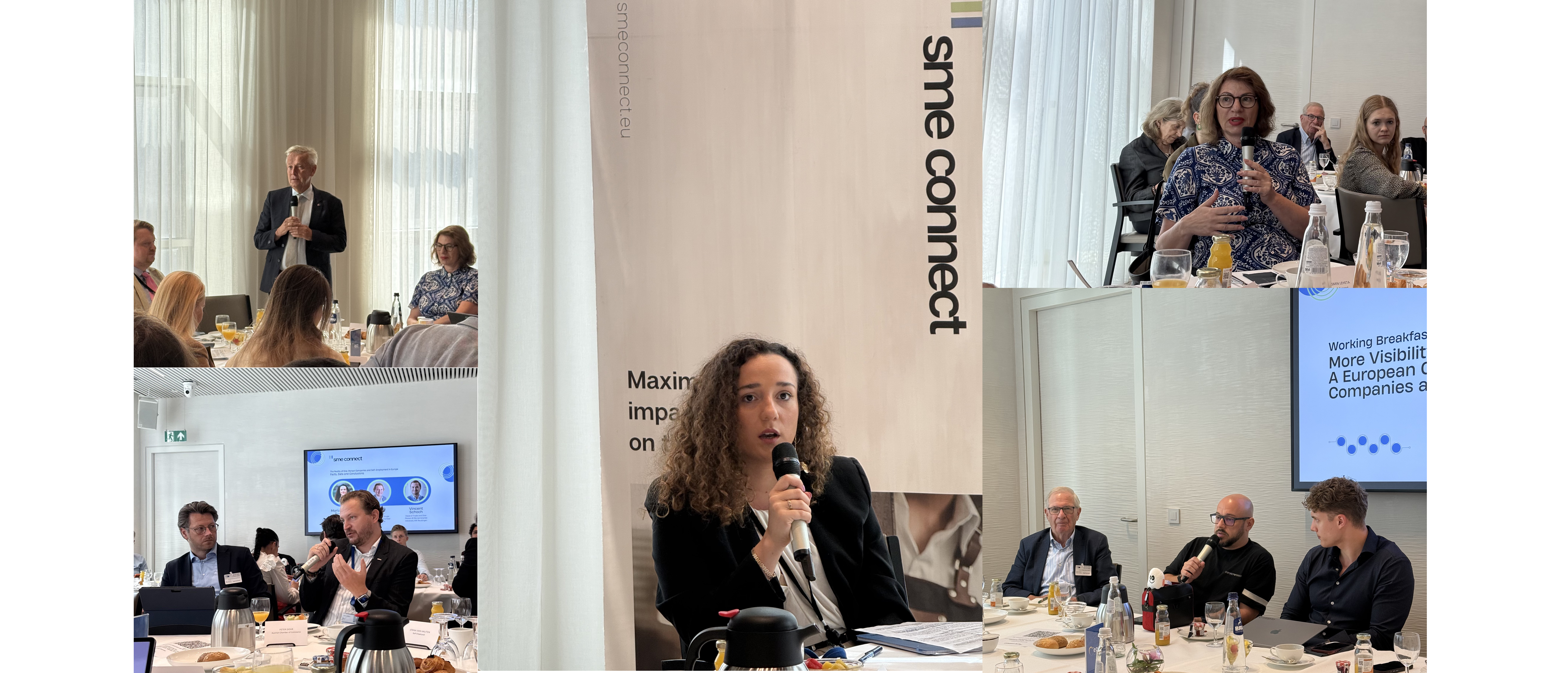
PETER DOHR of the Austrian Chamber of Commerce provided the most concrete measure of the capacity gap. Austrian research presented at the Summit estimates that an OPC spends around 250 working hours per year on bureaucracy—more than 30 full working days. The figure is not an EU-wide average, but it shows what targeted monitoring can reveal. For entrepreneurs running a business alone—whether full-time or part-time—excessive administrative burdens can threaten business viability. As every regulatory and administrative requirement must be handled personally, even modest additional obligations can quickly exceed the capacity of a single person and take time directly away from customers, revenue generation, business development and family life. Complex rules, legal uncertainty and disproportionate penalties can also discourage the adoption of new technologies, reducing productivity, innovation and competitiveness.
The real-life reports gave this evidence depth. JASMIN LEHETA described service-based self-employment as a deliberate professional model built around personal knowledge and talent, not merely a temporary stage before hiring staff. Christoph Skutella illustrated the combined pressure of irregular income, limited social protection, access to finance, late payments and weak negotiating power. JENNA VAN HAUTEN showed how digital entrepreneurship can combine family flexibility with growth and international reach, while also requiring one person to become marketer, accountant, manager, data-protection specialist and compliance officer.
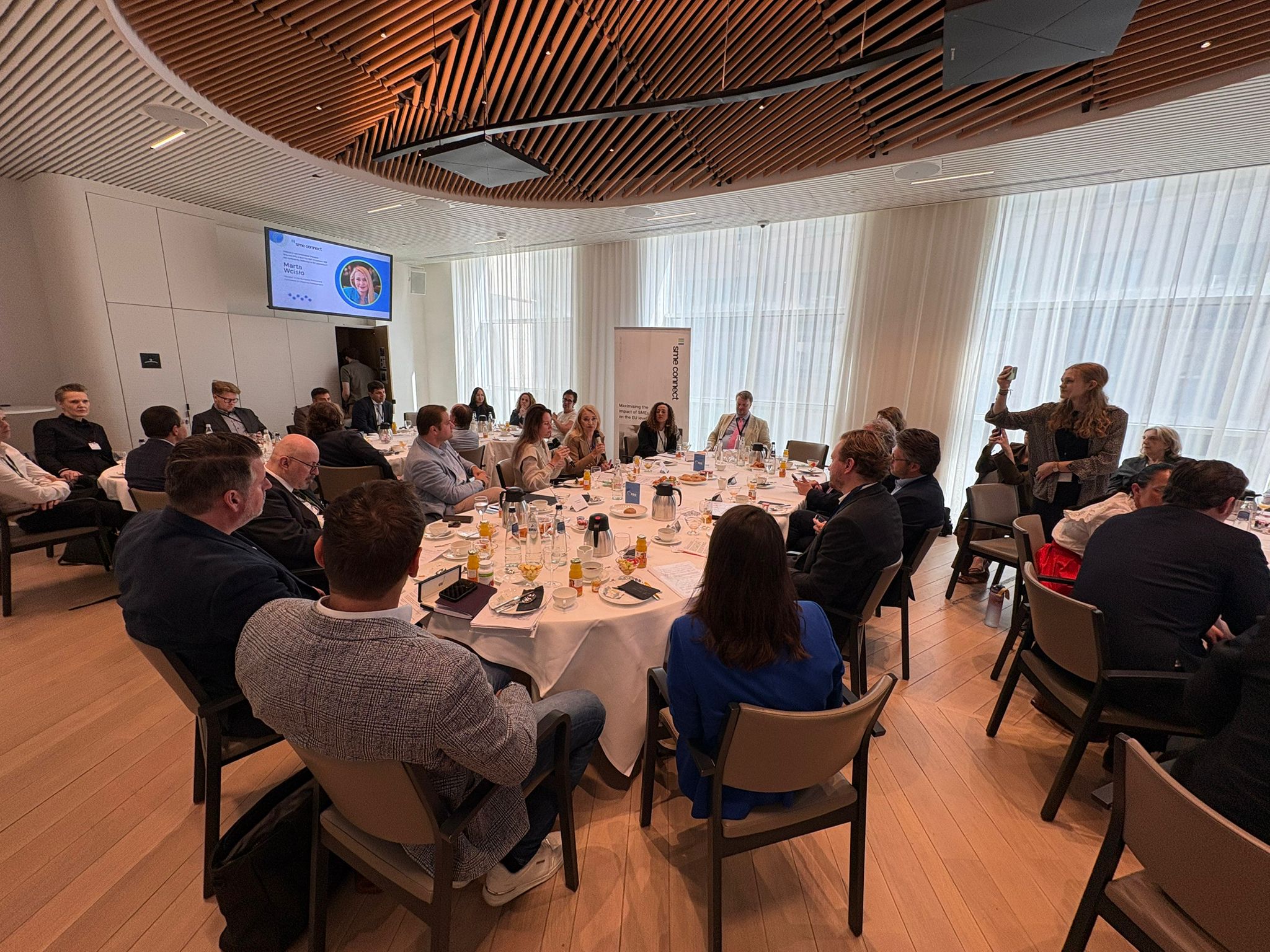
The open discussion was deepened by MARTA WCISŁO MEP, who drew on her own experience of growing a business. She stressed that this background gave her a direct understanding of the economic and social importance of OPCs and the smallest entrepreneurs. Referring to her region in eastern Poland, she described the practical pressures facing local businesses, including the difficulty of keeping shops and services open as operating conditions become more demanding. She warned that legislation can become too complex and too detached from day-to-day business reality, and expressed clear support for the Summit initiative and for giving the smallest entrepreneurs a stronger voice. Participants also raised questions about public consultations, funding, women’s entrepreneurship, cross-border activity and the consequences of unclear implementation. Particular attention was given to the growing importance of part-time entrepreneurship. It can provide a practical route into self-employment or back into the labour market, especially for women and people with family responsibilities. As an increasingly common feature of working life across Europe, it offers significant potential to strengthen labour-market participation, business creation, economic independence and growth.
The format mattered: entrepreneurs were not invited merely to listen, but to understand the process, test policy assumptions and contribute their experience directly.
Turning Understanding into Informed Participation
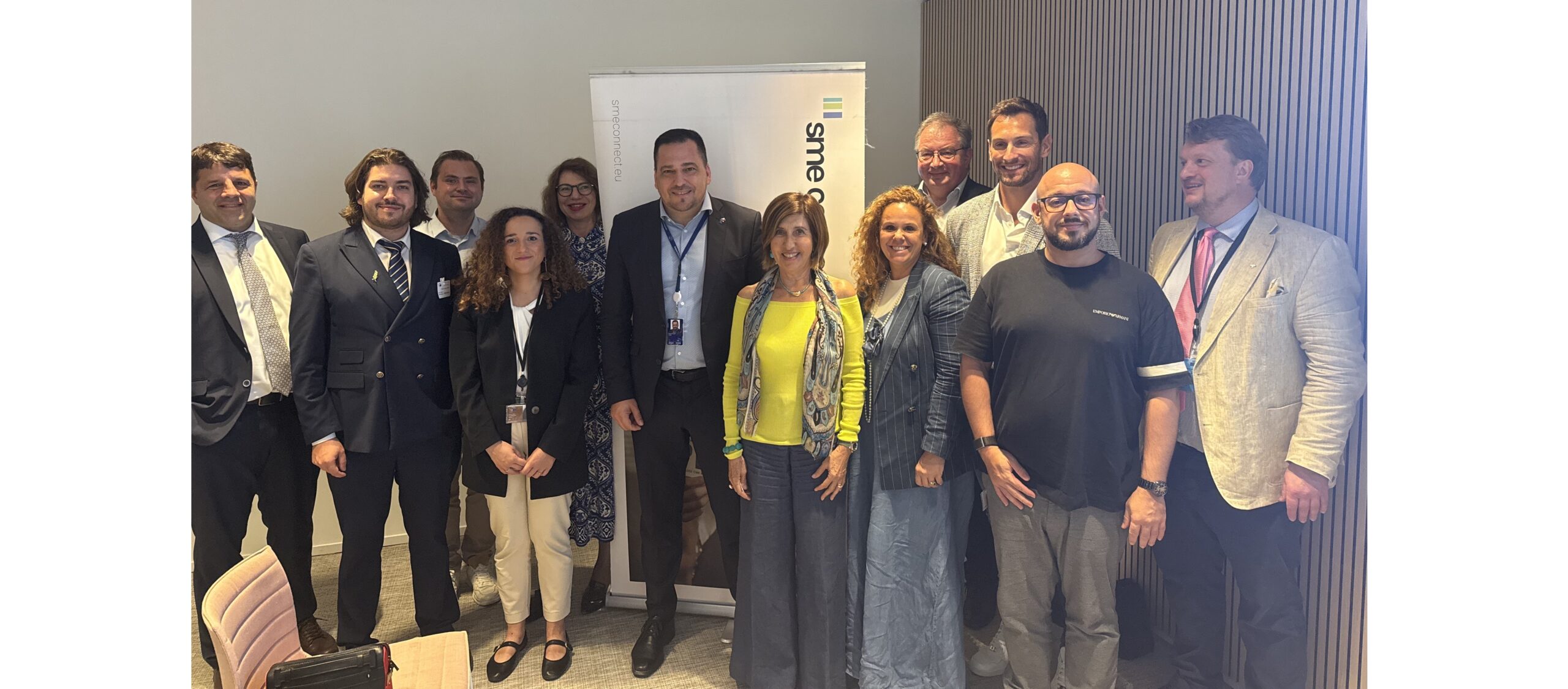
A direct exchange with TOMÁŠ ZDECHOVSKÝ MEP focused on how informed participation can become effective engagement. Participants asked about political courage, the difficulty of monitoring consultations, finance and microfinance, and the visibility of women entrepreneurs. Zdechovský stressed that European decisions require preparation, persistence, negotiation and trusted relationships. Concerns must reach the appropriate political actors early enough to be understood and considered before political positions and legislation are fixed.
For dispersed entrepreneurs who cannot spend working days following legislation, networks and representative organisations are therefore essential. Their role is not to replace the voice of entrepreneurs, but to explain political processes, collect experience, identify recurring patterns and open channels for participation. The Summit demonstrated this function in practice by combining institutional and policy education, expert input, personal testimony and direct political dialogue.
The discussion on platform work highlighted a broader policy risk. Although the Platform Work Directive addresses a specific field, its national transposition may reopen wider debates about how self-employment is defined and assessed in Europe. Criteria developed for platform relationships could, intentionally or unintentionally, influence the treatment of independent professionals outside the digital platform sector. Participants therefore stressed the need to monitor implementation closely, preserve legal clarity and prevent a sector-specific directive from becoming an indirect template for self-employment more generally.
What the Policy Debates Revealed
Across the sessions, four conclusions emerged.
• First, the central problem is not simply the number of rules but the cumulative time, cost and capacity required to understand and implement them. A single obligation may appear manageable; several reporting, technical, digital and documentation requirements can together reduce time for clients, absorb income, delay investment and affect business continuity or growth. The Summit did not argue against consumer, worker, product or safety standards. It called for operational proportionality: policymakers should ask whether a person without specialised staff can understand the rule, generate the required information and comply without disproportionate advice, time or cost.
• Second, legislation reaches OPCs indirectly. Obligations directed at larger companies, platforms or regulated markets can be transferred through contracts, documentation requests, product conditions, procurement standards, digital systems or client expectations. A credible SME assessment must therefore examine direct, indirect and cumulative effects, not only the organisations formally within scope.
• Third, the Single Market remains difficult to use in practice. Participants described barriers involving VAT, registrations, social-security coordination, professional requirements and national administration. Digital business makes cross-border activity technically possible, but legal and administrative systems often remain organised nationally. Lopatka underlined that responsibility is shared: European rules must improve, but national ministries, agencies, chambers, municipalities and digital portals must also make the Single Market workable.
• Fourth, formal access is not practical access. A programme may be legally open to OPCs and the self-employed while still excluding them through high minimum project sizes, co-financing, pre-financing, complex documentation or unclear eligibility language. The same test applies to digital tools: a business wallet, online portal or AI application adds value only if it reduces work and uncertainty for the person using it.
An Economic, Political and Democratic Opportunity
The Summit consistently presented OPCs and the self-employed as more than a group exposed to burdens. They provide specialised knowledge, local services, innovation and flexible forms of economic participation. Digital tools allow some to reach international customers or organise networks without building conventional corporate structures.
Others deliberately remain small because their business depends on personal expertise, trust or a preferred way of working. Remaining a one-person business can be a valid entrepreneurial choice, not a failure to grow.
Their political relevance is equally important. OPCs and the self-employed speak with customers and citizens every day and are often trusted in their communities. If they encounter Europe only through distant institutions or unclear obligations, the EU remains abstract. If they can point to usable market access, clearer rules or an accessible programme, Europe becomes concrete. Their involvement can therefore improve legislation while also strengthening trust and democratic connection.
This creates a clear opportunity for the European Union. Addressing people working alone directly would connect European competitiveness policy with a large part of everyday economic life. It would also show that participation in European policy is not limited to large corporations, well-funded scale-ups or prospective unicorns with permanent public-affairs capacity. Informed participation is therefore not an addition to better regulation; it is one of its conditions.
What the Summit Achieved
The Summit equipped members with practical knowledge of European institutions, legislative processes and current policy debates. It brought an economically significant but politically dispersed community into direct contact with EU institutions, combined evidence with lived experience, tested specific policy files against the capacity of people working alone and created structured dialogue between entrepreneurs, associations, chambers and policymakers.
It also clarified the role of the SME Connect Working Group ESO. The Working Group provides the information, continuity and organising platform that individual entrepreneurs usually lack: it connects national and sectoral experience, explains relevant European developments, identifies common issues and creates opportunities for informed participation without replacing the diversity of its members’ voices.
Towards a European Manifesto
With the support of ANGELIKA WINZIG MEP, the final Working Group session began translating the Summit’s discussions into a European Manifesto. The Manifesto follows a deliberately pragmatic approach. For one-person companies, the objective is not to create a new European company form, but to recognise them at EU level as a distinct policy and regulatory category and to ensure that their specific characteristics are systematically considered in legislation, impact assessments and programmes. For the self-employed, the immediate aim is not to harmonise the different national legal frameworks. As a first step, the Manifesto calls for a practical EU-level reference framework that enables the EU institutions to define and address this group more consistently, take its specific circumstances into account in legislation and ensure practical access to European programmes.
As the Manifesto remains under development and will be considered by the Working Group, this report does not pre-empt its detailed positions. It instead records the emerging political framework, structured around three core elements: recognition, impact and access.
RECOGNITION
Explicitly recognise one-person companies and the self-employed where EU policy affects them. Improve their statistical, institutional and political visibility.
IMPACT
Assess the direct, indirect and cumulative effects of EU measures on people working alone, including regulatory complexity, implementation and administrative costs, time requirements, legal uncertainty, technical obligations and the practical complexity of cross-border VAT regimes.
ACCESS
Ensure that rules, funding programmes, procurement, guidance and digital procedures are practically usable by one-person companies and the self-employed without specialised administrative support.
The discussions also considered whether a concise OPC and Self-Employment Check could provide an operational link between these principles and existing EU procedures. Within impact assessments, SME tests, programme design and implementation guidance, such a check could ask whether people working alone are affected, clearly eligible and realistically able to comply or participate. The aim would be earlier clarity and fewer avoidable barriers, not another bureaucratic layer.
The further drafting process will determine the Manifesto’s precise recommendations. The shared direction at the Summit was nevertheless clear: European policymaking should better reflect the numerical, economic and local importance of solo enterprise and ensure that rules and opportunities are workable for people without specialised administrative support. Its practical message can be summarised as: seen in policy, clear in access and usable in practice.
Connecting Europe with Its Entrepreneurial Majority
The Fourth OPC Summit produced more than a list of concerns. It combined information, institutional education and direct participation with substantive policy debate. It created a connection between people who work alone and the European institutions that shape their business environment, and showed that the key issue is not whether OPCs and the self-employed appear somewhere inside SME statistics or legal categories, but whether their specific reality is understood when rules, programmes and opportunities are designed.
Economically, Europe cannot afford to overlook entrepreneurs who provide local services, specialised expertise, innovation and flexible routes into economic participation. Politically, the EU has an opportunity to connect with a large constituency that is often reached only indirectly. Democratically, involving these entrepreneurs earlier can improve both the quality and legitimacy of European decisions.
The Summit’s message was therefore concise: entrepreneurs working alone must be visible in policy, taken into account in relevant decision-making, heard before decisions are finalised and able to access European opportunities in practice. This would strengthen competitiveness from the ground up and make European policymaking more representative, accessible and credible.
SEEN IN POLICY. CLEAR IN ACCESS. USABLE IN PRACTICE.
The Summit was shaped by the active participation of the Working Group’s:
Members: Bavarian Self-Employment Association (BDS), Seldia, Burnout-Netzwerk, Women Entrepreneurship Platform (WEP), RKW Baden-Württemberg, Bantani Education and Herbalife
Partners: Wirtschaftskammer Österreich, IHK Reutlingen and European Economic and Social Committee.
This broad participation reflected the Working Group’s purpose: bringing together entrepreneurs, representative organisations, chambers, institutional partners and business stakeholders while preserving the independent positions and experience of its members.