
A Tough Cookie: Will SMEs Crumble under the Gatekeepers?
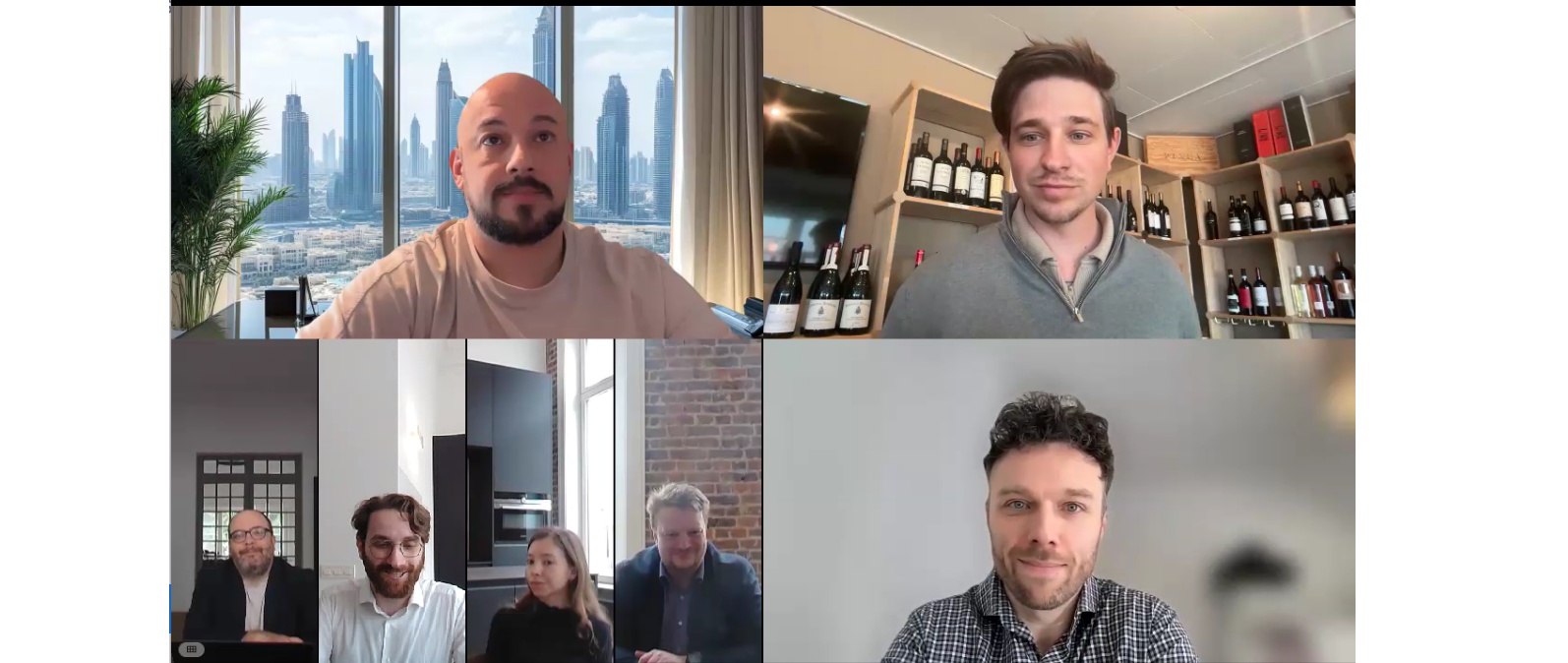
On 5 May 2026, SME Connect organized a workshop for its network and related stakeholders, titled “A Tough Cookie: Will SMEs Crumble under the Gatekeepers?”, in partnership with Danish Entrepreneurs. The workshop aimed to inform participants and to discuss the potential impact of proposed changes to browser-level consent and digital regulation on SMEs across Europe. Bringing together business leaders and policy experts, the discussion focused on risks to competitiveness, access to customer data, and the growing influence of large digital platforms.
HORST HEITZ, Chair of the Steering Committee of SME Connect, framed the discussion by outlining SME Connect’s role as a neutral network platform for SME associations across Europe. He clarified that while SME Connect does not act as a single partisan voice, it also serves to reflect and convey the concerns raised by its members. In this context, several member organizations had flagged browser-level consent as a “wake-up call” because of its potential implications for smaller businesses. Heitz warned that policymakers may be drawn to visible short-term consumer benefits, such as reducing cookie fatigue, without sufficiently considering the medium- and long-term economic effects. While politically attractive in the short term, he argued, the proposal could create structural barriers within the Digital Single Market, unintentionally strengthen large platforms, and weaken SMEs and self-employed. He therefore underlined the importance of bringing SME and especially OPCs perspectives into the debate before final decisions are taken, stressing that the SME ecosystem in Europe must be properly informed in order to participate in the discussion and to prepare for potential consequences.
PETER KOFLER, President of Danish Entrepreneurs, opened the discussion by highlighting a growing disconnect between regulatory intentions and real business impacts, noting that “we see a really big mismatch between the ambitions for SMEs and what is actually coming out of the regulatory machinery”. He explained that the Omnibus initiative was originally designed to simplify compliance for businesses but has gradually expanded into areas such as privacy and media, complicating its purpose. Kofler emphasized that shifting consent to browser-level control risks undermining the direct relationship between SMEs and their customers. Drawing on prior research, he demonstrated how restricting targeted advertising can dramatically increase customer acquisition costs, in some cases by over 100%. This, he argued, acts as a hidden “tax” on SMEs, limiting their ability to scale and compete. He also pointed out that inefficient advertising ultimately leads to higher prices for consumers and reduced market competition.
TOBIAS SILVERSTEIN HINCHELY, CEO & Founder of DSF WINE A/S, offered a practical SME perspective based on his experience running a multi-country e-commerce wine business. He acknowledged that cookie fatigue is a real issue but argued that the proposed solution risks causing greater harm than the problem itself, stating that “this is a proposal that claims to fight gatekeepers, but it actually empowers them.” He further warned that browser-level consent could be “an earthquake” for many SMEs due to its potentially disruptive impact on their business models. Hinchely explained that SMEs rely heavily on targeted advertising to reach relevant customers efficiently, unlike large platforms that already possess vast amounts of first-party data. He warned that browser-level consent would disproportionately benefit major tech companies while undermining smaller competitors.
MARIO BARTENHAUSER, Founder & Digital Strategy Advisor of Kreativbar and Board Member of the Bavarian Federation of the Self-Employed (BDS), Section Munich, contributed insights from his work with SMEs and digital marketing practices across Europe. He emphasized that the issue extends beyond e-commerce businesses to include local shops and service providers that depend on online visibility. Bartenhauser explained that since the introduction of GDPR and cookie banners, businesses have already lost significant amounts of usable data (up to 60%), reducing their ability to understand customer behavior. He argued that further restrictions would force businesses into inefficient approaches, noting that “all they can do is spray & pray and hope that they target the right persons.” Additionally, Bartenhauser stressed that SMEs cannot implement these changes in-house and are forced to rely on external agencies. They have already spent significant resources on cookie compliance – and are now expected to pay again to undo it. These investments neither reduce bureaucracy nor generate growth. Instead, they drain resources into non-productive areas, weaken marketing effectiveness, and ultimately harm business operations. He emphasized that this is part of a broader pattern: a constant stream of new regulations from Brussels is driving up costs, increasing legal risks, and pulling SMEs further away from their core business.
FABIAN LADDA-HENRY, Senior Lead for Government Affairs at Shopify, provided a policy-focused perspective, outlining the current state of discussions in Brussels. He explained that many small merchants using platforms like Shopify would be directly affected by the proposed changes. He emphasized that the regulatory process is still ongoing, with key decisions yet to be finalized, and warned that “the proposal is really harming the competitiveness of digital SMEs as it stands today.” He highlighted the importance of stakeholder engagement at this stage to ensure that SME concerns are taken into account. According to him, the current proposal risks harming the competitiveness of digital SMEs if left unchanged. Concluding his remarks, Ladda-Henry called for coordinated action from businesses and stakeholders to ensure that the final outcome of the proposal remains workable for SMEs. He emphasized that the interests of consumers and businesses need to be more effectively balanced through smarter and more proportionate solutions.
The discussion highlighted a central tension between improving user experience, strengthening data protection, and maintaining a competitive digital economy for SMEs and self-employed. While reducing cookie fatigue is a widely supported objective, the proposed shift to browser-level consent raises significant concerns about unintended consequences. Across all speakers, a consistent theme emerged: the risk of concentrating power in the hands of large platforms while disadvantaging smaller businesses.
SMEs rely on targeted advertising and data-driven insights to compete, grow, and innovate, and limiting these tools could significantly hinder their development. The discussion also revealed a gap between policymaking and real-world business impacts, particularly the lack of comprehensive impact assessments. Several speakers warned that, after many SMEs have already disappeared from major city centres, Europe must avoid creating conditions under which smaller businesses also disappear from the digital marketplace. Such a development would not only weaken their local presence, but also reduce their ability to scale, reach customers across borders, and participate fully in the European Digital Single Market.
Importantly, as the debate remains ongoing, there is still an opportunity for SMEs and stakeholders to engage and shape the outcome. Ultimately, the future competitiveness of European SMEs will depend on finding a balanced approach that protects users while ensuring fair market conditions – so that the digital economy remains a market for all, not only for the largest players.